
The Importance of Mining Insulation for Worker Safety and Efficiency
- oscarcortes45
- Feb 25
- 3 min read
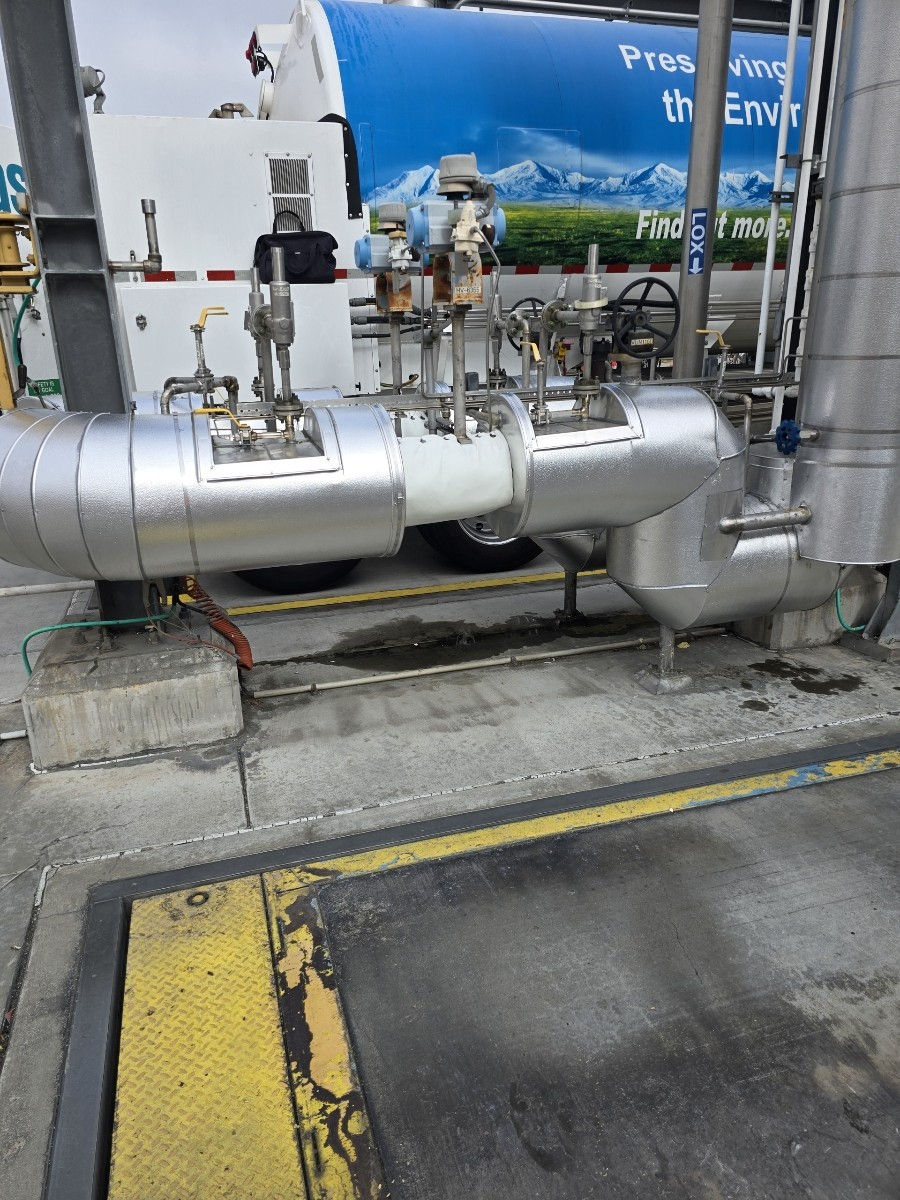
Mining is a demanding industry where harsh environments and extreme conditions challenge both workers and equipment. One critical but often overlooked factor that directly impacts safety and operational efficiency is mining insulation. Proper insulation in mining operations protects workers from extreme temperatures, reduces energy consumption, and helps maintain equipment performance. This article explores why mining insulation matters and how it contributes to safer, more efficient mining environments.
How Mining Insulation Protects Workers
Mining sites often expose workers to extreme heat or cold, depending on the location and depth of the mine. Without adequate insulation, workers face risks such as heat stress, hypothermia, and other temperature-related health issues. Insulation materials act as barriers that regulate temperature, creating safer working conditions.
Heat Protection: In underground mines, temperatures can rise significantly due to geothermal heat and machinery. Insulation on pipes, walls, and equipment helps keep heat away from work areas, reducing the risk of heat exhaustion.
Cold Protection: In colder climates or deep mines, insulation prevents cold air or surfaces from causing frostbite or hypothermia. It also helps maintain a stable temperature in worker shelters and control rooms.
Noise Reduction: Some insulation materials also absorb sound, reducing noise pollution that can cause hearing damage or stress.
By controlling temperature and noise, mining insulation directly supports worker health and comfort, which leads to better focus and fewer accidents.
Energy Efficiency and Cost Savings
Mining operations consume vast amounts of energy, much of which is lost through heat transfer in pipes, machinery, and ventilation systems. Insulation reduces this energy loss by maintaining the desired temperature within systems, which lowers fuel and electricity consumption.
Reduced Heat Loss: Insulating steam pipes and hot water systems keeps heat contained, reducing the need for additional energy input.
Lower Cooling Costs: In hot mines, insulation helps keep cooling systems effective by preventing heat from entering critical areas.
Equipment Longevity: Insulation protects machinery from temperature fluctuations that can cause wear and tear, reducing maintenance costs and downtime.
Investing in quality insulation materials can lead to significant savings over time, making mining operations more sustainable and cost-effective.
Types of Insulation Used in Mining
Mining environments require insulation materials that withstand harsh conditions such as moisture, dust, chemicals, and mechanical damage. Common types of insulation include:
Mineral Wool: Known for excellent thermal and acoustic properties, mineral wool resists fire and moisture, making it ideal for underground mines.
Foam Glass: This rigid insulation is waterproof and resistant to chemicals, suitable for insulating pipes and tanks.
Calcium Silicate: Often used for high-temperature applications, calcium silicate insulation protects steam pipes and boilers.
Polyurethane Foam: Lightweight and effective, this foam is used in ventilation ducts and equipment insulation.
Choosing the right insulation depends on the specific mining environment and the temperature ranges involved.
Practical Examples of Mining Insulation in Action
Several mining companies have reported improvements after upgrading their insulation systems:
A coal mine in Australia reduced energy costs by 15% after installing mineral wool insulation on ventilation shafts and machinery.
A gold mine in Canada improved worker comfort and reduced heat-related incidents by insulating underground tunnels with foam glass panels.
A copper mine in Chile extended the lifespan of its processing equipment by using calcium silicate insulation on high-temperature pipes.
These examples show how targeted insulation solutions can address specific challenges and improve overall mining operations.
Maintenance and Safety Considerations
Proper installation and regular maintenance of insulation are crucial. Damaged or degraded insulation can lose effectiveness and even pose safety hazards, such as fire risks or exposure to harmful materials.
Routine Inspections: Regular checks help identify wear, moisture damage, or gaps in insulation.
Safe Handling: Some insulation materials require protective gear during installation to avoid skin irritation or inhalation of fibers.
Compliance: Mining companies must follow safety standards and regulations related to insulation materials and installation practices.
Training workers on the importance of insulation and safe handling procedures enhances safety culture on site.
Final Thoughts on Mining Insulation
Mining insulation plays a vital role in protecting workers from extreme temperatures, reducing energy consumption, and preserving equipment. By investing in the right insulation materials and maintaining them properly, mining operations can create safer, more efficient workplaces. The benefits extend beyond cost savings to include improved worker health and productivity.


Comments